
Hot Spots in Dogs
Hot spots are painful, inflamed areas of skin that can appear suddenly and become considerably larger within a short time.
What is a hot spot?
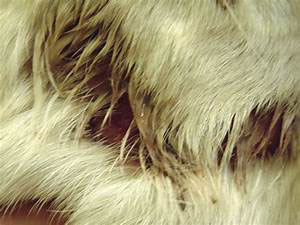
A hot spot is an area of acute inflammation caused by a dog repeatedly licking, scratching, chewing or rubbing irritated skin. This self-trauma damages the skin surface, allowing bacteria to multiply in the warm, moist area.
A small patch can become much larger within a matter of hours, particularly beneath a thick coat where the problem may not be noticed immediately.
Hot spots are not worms and they are not caused by intestinal parasites. However, external parasites such as fleas can trigger the itching that starts a hot spot.
What does a hot spot look like?
Possible signs include:
- A red, inflamed area of skin
- A wet, weeping or sticky surface
- Hair loss over or around the area
- Discharge, pus or a crust forming over the skin
- An unpleasant smell
- Intense itching or repeated licking
- Pain when the area is touched
- Rapid enlargement of the affected area

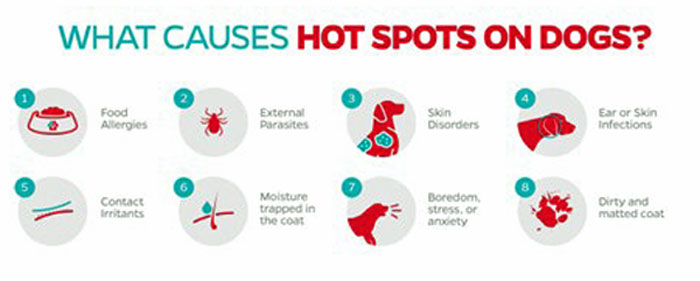
What causes hot spots?
A hot spot is usually a result of another problem that has made the dog itchy or uncomfortable. Possible triggers include:
- Fleas or flea allergy
- Other insect bites
- Environmental or food allergies
- Ear infections
- Anal gland problems
- A small wound, graze or foreign object
- A damp coat after swimming or bathing
- Dense or matted hair trapping moisture against the skin
- Skin infections
- Pain elsewhere causing the dog to lick one area
- Stress, anxiety or boredom
Identifying and treating the original trigger is important, particularly if hot spots keep returning.
Veterinary treatment
The precise treatment depends on the size, location, severity and underlying cause. Your vet may recommend:
Clipping and cleaning
Hair may need to be carefully clipped away so the full extent of the lesion can be seen, cleaned and allowed to dry. Sedation may be required if the area is very painful.
Stopping self-trauma
A protective collar, recovery suit or other suitable barrier may be needed to prevent licking, chewing and scratching.
Topical treatment
Your vet may prescribe an appropriate antiseptic, medicated wash, drying spray, anti-inflammatory product or topical antibiotic.
Medication
Pain relief, anti-inflammatory medication or antibiotics may be prescribed when necessary. Antibiotics are not required for every hot spot.
What you can do while waiting for advice
- Prevent your dog from licking, chewing or scratching the area.
- Keep the dog indoors and the affected area clean and dry.
- Do not apply a product unless your vet confirms it is suitable.
- Do not attempt to clip close to painful, wet skin if the dog may move or bite.
- Take a clear photograph so you can see whether the area is spreading.
- Contact your vet promptly for treatment advice.
Products and remedies to avoid
- Hydrogen peroxide It can damage healthy cells and delay healing.
- Tea and aspirin mixtures Do not apply aspirin preparations to damaged skin. Aspirin can be absorbed or swallowed and may be unsafe for the dog.
- Apple cider vinegar Vinegar can be very painful and irritating when applied to raw, inflamed or broken skin.
- Benzyl benzoate Do not use it on a hot spot unless it has been specifically prescribed for that dog by a veterinary surgeon.
- Human antibiotic creams Human preparations may contain unsuitable ingredients and can be swallowed when the dog licks the area.
- Witch hazel and herbal tinctures These may sting, irritate the skin or contain alcohol and should not replace veterinary treatment.
- Essential oils Concentrated oils can irritate the skin and may be toxic if absorbed or licked off.
- Unprescribed powders and gels A product designed for another type of wound may trap moisture or be unsuitable for an infected hot spot.
Do not give antihistamines, steroids, antibiotics or human painkillers without veterinary advice. The correct treatment and dose depend on the dog and the cause of the skin problem.
When urgent treatment is needed
- The area is spreading rapidly
- The skin is producing pus or has a strong smell
- Your dog is in considerable pain
- The hot spot is close to an eye, ear, mouth or genitals
- Your dog is lethargic, feverish or refusing food
- There are several affected areas
- The problem keeps returning
- Your dog will not stop licking or scratching
Preventing further hot spots
- Use suitable, regular flea control advised by your vet.
- Check the skin regularly beneath a thick or dense coat.
- Dry the dog thoroughly after swimming or bathing.
- Remove tangles before they develop into tight mats.
- Keep grooming equipment clean.
- Have recurring ear, skin or anal gland problems investigated.
- Discuss possible allergies with your vet if itching continues.
- Prevent repeated licking while the skin is healing.
Sources and further information
This page provides general information only and is not a substitute for examination, diagnosis or treatment by a qualified veterinary surgeon.