Rough Collie Spaying and Coat Survey
Helping us understand whether and how a Rough Collie bitch's coat may change after spaying.
About this survey
Many owners and breeders report changes to a bitch's coat after spaying, sometimes described as a softer, woollier or more profuse “spay coat”. However, there appears to be very little published information specifically about Rough Collies.
This independent Collielife survey aims to compare entire bitches with those spayed electively while healthy and those spayed as an emergency because of pyometra. I am particularly interested in the type and severity of any coat change and how long after surgery it became noticeable.
Owners of present or previously owned purebred Rough Collie bitches, whether entire or spayed. Please complete one separate response for each bitch. For a meaningful post-spay coat comparison, the operation should preferably have taken place at least 12 months ago.

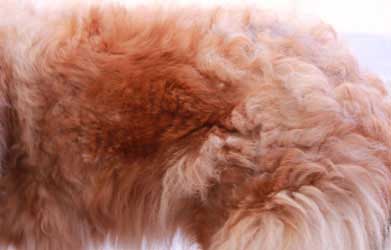
These photographs illustrate my own experience. They do not prove whether the change was caused by the loss of ovarian hormones, the pyometra and serious illness, surgery, or a combination of these factors.
What previous research found
A small veterinary study followed 15 female dogs before and for one year after spaying. Three dogs, 20% developed visible coat changes. The researchers confirmed that spaying affected the hair-growth cycle, but they were unable to establish exactly why some bitches developed coat changes while others did not. The study was not specific to Rough Collies.
Complete the survey
Information collected
- Whether the bitch is entire, electively spayed, or was spayed because of pyometra.
- Her age, colour and age at spaying, where applicable.
- Number of seasons and litters before spaying.
- How long ago the operation took place and when any coat change first appeared.
- Changes in undercoat, texture, harsh outer coat, shedding, matting, colour or overall profusion.
- How noticeable the change was and whether it was temporary, permanent or still progressing.
- For pyometra cases, whether it was open or closed and how seriously ill the bitch was.
- Other factors including thyroid or skin disease, medication, diet changes and weight gain.
- Optional details about urinary incontinence or other changes noticed after spaying.
Responses will be used only to analyse and report general trends concerning Rough Collie coat changes. Individual owners or dogs will not be identified in published results without express permission. Participation is voluntary and this survey is not a substitute for veterinary advice.
This survey will close on 27 September 2026. Once I have had an opportunity to analyse the responses, anyone who would like to receive a copy of the findings is welcome to email collielife1@gmail.com after this date.